
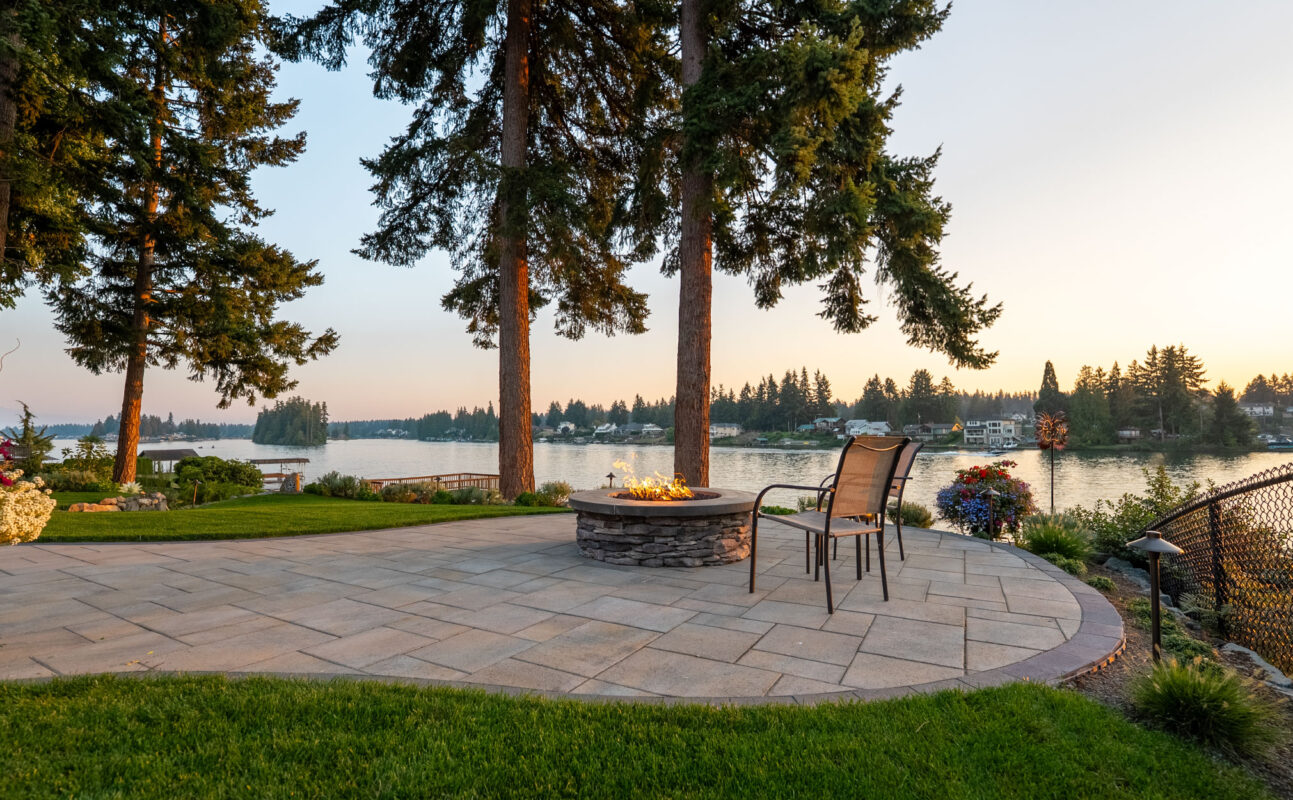
A paver patio can completely change the way you use your backyard, creating a space for outdoor dining, entertaining, relaxing around a fire or simply spending more time outside. But when you’re making an investment in your landscape, appearance isn’t the only thing that matters.
How long will a paver patio last? How much maintenance does it require? And how will it hold up through years of Pacific Northwest rain and changing seasons?
The good news is that a properly designed and installed paver patio can be an incredibly durable, long-lasting addition to your home. But its longevity depends on more than the pavers you see on the surface.
How Durable Are Paver Patios?
Pavers are designed to stand up to everyday outdoor use, including foot traffic, patio furniture, entertaining and changing weather conditions. One of their advantages is the way individual pavers work together while still allowing some flexibility within the surface. Unlike a single solid slab, a paver patio is made up of individual units, which can make repairs more manageable if an area is ever damaged or needs to be accessed. But the durability of a patio isn’t determined by the pavers alone. The preparation, construction underneath the finished surface and finished seal play an equally important role in how well the patio performs over time.
How Long Does a Paver Patio Last?
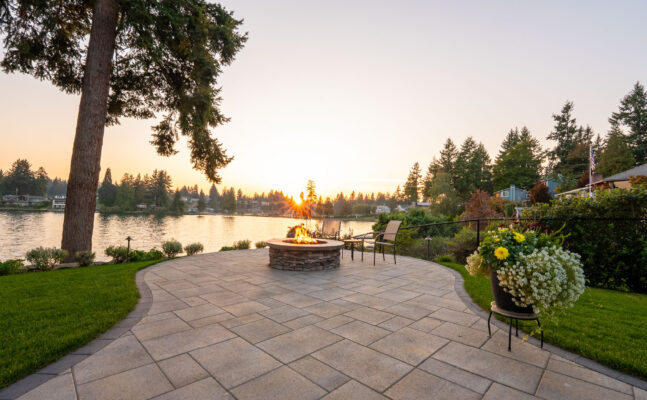
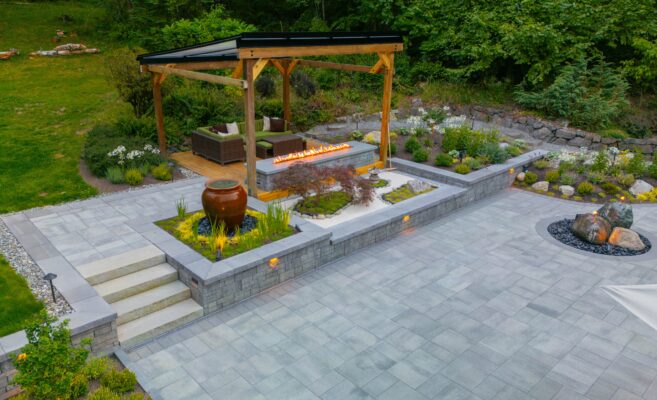
A professionally installed paver patio can last for decades. The actual lifespan will depend on several factors, including the quality of the pavers, site conditions, drainage, installation methods, use and ongoing care. That’s why two patios built with similar-looking pavers can perform very differently over the years.
A patio built on a properly prepared and compacted base, with drainage and grading considered from the beginning, is much better positioned for long-term performance than one where the focus was primarily on the finished surface.
When you’re investing in a paver patio, what’s underneath it matters just as much as what you see.
What Makes a Paver Patio Last?
Long-lasting patios start well before the first paver is installed. During the design and construction process, several factors need to work together.
proper base preparation
The patio needs a stable foundation. Excavation depth, base materials and compaction are all important in creating a surface that can support the patio over time.
drainage and grading
Water needs somewhere to go. This is particularly important in the Pacific Northwest, where months of wet weather can expose drainage problems quickly. The patio should be designed so water moves appropriately away from the home and doesn’t continually collect beneath or on top of the patio.
quality installation
Consistent installation, proper spacing, edge restraint and attention to elevations all contribute to how the finished patio performs. These aren’t necessarily the details you’ll notice when looking at a newly completed patio, but they can become some of the most important details several years later.
Are Paver Patios a Good Choice for Seattle’s Climate?
Yes. Pavers can be an excellent patio material for Seattle, Bellevue and the surrounding Puget Sound area when the patio is designed for local conditions.
Our climate brings plenty of rain, extended periods of moisture and occasional freezing temperatures. Because of that, drainage, base preparation and material selection should all be considered during the design process.
A patio shouldn’t simply look good during a Seattle summer. It should be built with our wet fall and winter months in mind, too. That’s one reason we look at the entire property when designing an outdoor space. Existing grades, downspouts, drainage systems, retaining walls, planting areas and surrounding hardscapes can all influence how water moves through a landscape.
How Much Maintenance Does a Paver Patio Need?
One of the benefits of a paver patio is that routine maintenance is generally straightforward. Depending on the property and surrounding landscape, maintenance may include:
-
Periodic sweeping and cleaning
-
Removing leaves and organic debris
-
Treating moss or algae when necessary
-
Managing weeds that may appear around joints or edges
-
Replenishing joint material when needed
-
Addressing stains or spills
-
Checking for areas that have shifted or settled over time
Here in the Pacific Northwest, keeping organic debris from sitting on the patio for extended periods can be particularly helpful. Our damp climate creates favorable conditions for moss and algae, especially in shaded areas. The exact amount of upkeep will vary based on tree coverage, sun exposure, drainage and how frequently the patio is used.
Concrete vs. Pavers?
Both pavers and poured concrete can create beautiful, functional patios, and the right material depends on the home, landscape and goals for the project. One difference becomes apparent when repairs are needed. When a section of poured concrete cracks or becomes damaged, repairing it without leaving a visible difference can sometimes be challenging. With a paver patio, individual units or sections can often be lifted, adjusted or replaced.
Pavers also offer considerable flexibility from a design perspective. Different sizes, textures, patterns and colors allow the patio to become part of the overall landscape design rather than simply providing a paved surface.
Frequently Asked Questions
How long can a paver patio last?
A properly designed, installed and maintained paver patio can last for decades. Site preparation, drainage, base construction, material quality and maintenance all influence its lifespan.
Are paver patios high maintenance?
Generally, no. Routine care typically includes cleaning away debris, managing moss or weeds when necessary and maintaining the joints between pavers. Maintenance needs vary depending on shade, surrounding trees, drainage and use.
Are pavers good for rainy climates?
Yes. Pavers can perform very well in rainy climates when proper drainage, grading and base preparation are incorporated into the patio’s design and construction.
Can a damaged paver be replaced?
In many cases, yes. One advantage of a paver system is that individual pavers or sections can often be removed and replaced without rebuilding the entire patio.
Why do some paver patios sink?
Settling can be related to inadequate base preparation, compaction, drainage, soil conditions or changes beneath the patio. Proper site preparation during construction helps reduce the risk of future movement.
Should I have my paver patio professionally designed and installed?
For patios that are part of a larger landscape project, professional design and installation can help ensure the patio works with the home’s architecture, existing grades, drainage, pathways and other outdoor features. It also allows decisions about what’s underneath the patio to be considered along with how the finished space will look.
The Paver Is Only Part of the Patio
It’s easy to focus on the finished paver when you’re considering a new patio. After all, that’s the part you’ll see every day. But some of the most important parts of a long-lasting patio will eventually be completely hidden. The base. The grading. The drainage. The preparation. And the planning that happened before construction ever began.
At Malone’s Landscape, we design and build paver patios as part of the larger outdoor environment. Our team considers how the patio will be used, how it connects to the home, how water moves through the property and how surrounding landscaping and outdoor features should work together.
The goal isn’t simply to create a beautiful patio when construction is finished. It’s to create an outdoor space designed to be enjoyed for years to come.
Ready to Add a Paver Patio to Your Backyard?
A paver patio should be more than a beautiful surface. It should be thoughtfully designed, properly built and integrated into the rest of your outdoor space.
Malone’s Landscape can take your project from design through construction, creating a patio and surrounding landscape designed specifically for your home, property and the way you want to enjoy your backyard.